
"ANNA SUI"
500 article(s) found

Introduction to the flavor characteristics of coffee beans in the province of Avachapan in El Salvador
Formerly known as San Salvador, Bahia. An important natural deep-water port on the Atlantic coast of Brazil, the capital of Bahia state. It is located on the east bank of Todos (Santos) Bay. With a population of 3459377 (as of August 1, 2010), it is the eighth largest city in Brazil. The ancient city, one of the oldest cities in Brazil, was founded in 1549, and the first churches were built by Jesuit priests in 1549. Until 1763

The characteristics of coffee in Santa Ana, El Salvador introduces the flavor of Finca Guadalupe coffee.
Origin: El Salvador area: Santa Ana Farm: Finca Guadalupe-Salaverria altitude: 1450 m Variety: bourbon, Kaduai, Pacas processing method: sun, drying on elevated bed flavors: vanilla, peach, ripe fruit, wine this is the second characteristic microbatch we got from the Salaverria family farm this year, which has been planted from El Salvador for five generations.

Washed Salvadoran coffee beans-Santa Elena Manor, Santa Ana Volcano area
Country: El Salvador name: Santa Elena Manor Rain Forest Union certified production area: Apaneca Ilamatepeque Mountains-Santa Ana Volcano Grade: SHG treatment: washing altitude: 1850 m Variety: Bourbon Santa Elena Manor is located in the Santa Ana volcano producing area Santa Ana Volcano, west of El Salvador, due to volcanoes, the manor soil is very rich.

Introduction to Santa Ana Volcano area of Salvadoran Coffee Manor with Water washing and Solar treatment
Salvador (So Salvador da Baa de Todos os Santos, meaning San Salvador on Halloween Bay) is a coastal city in northeastern Brazil and the capital of Bahia state. El Salvador was called Bahia directly for a long time, and it was marked as Bahia in many books and maps before the middle of the 20th century (for example, Robinson Drift by Daniel Difoe).

Characteristics of Arabica beans Coffee producing countries Coffee producing countries Venezuela
Venezuela's distinctive manor coffee comes from this oil-rich country. Oil was once considered to be the main export of Venezuela. Although coffee trees were introduced from Martinique in 1730 and Venezuela, coffee production was almost abandoned at the height of the oil industry. Recently, the coffee plantation has begun to recover, and the original Tippica (

The boutique coffee production region of El Salvador introduces Santa Ana in the west and Charantanan fruit in the northwest.
El Salvador boutique coffee is concentrated in the volcanic rock producing areas of Santa Ana in the west and Charantanan fruit in the northwest. In recent years, the top 10 cup tests are almost entirely from these two producing areas, with an altitude of about 9-1500 meters, mainly bourbon (68%). Followed by Pacas (29%), mixed-race Pakamara, Dulaai and Kaddura accounted for only 3%. The coffee harvest season has been held since November.

Smooth and sweet Venezuelan coffee beans
The best coffee names in Venezuela are: Montebello in San Cristobal (San Cristbal de Tachira) in Tazira, Miramar in Rubio (Rubio de Tachira) in Tazira, Granija in Timothe (Timote de Merida) in Merida, and Santa Ana in Tacira (San)
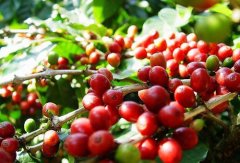
Venezuela's distinctive manor coffee comes from this oil-rich country.
The distinctive manor coffee comes from this oil-rich country. Oil was once considered to be the main export of Venezuela. Although coffee trees were introduced from Martinique in 1730 and Venezuela, coffee production was almost abandoned at the height of the oil industry. Recently, coffee plantations have begun to recover, with the original planting of Tipica and

Boutique coffee from the Santa Ana volcano area west of El Salvador.
Santa Elena Manor is located in Santa Ana Volcano, a volcano-producing area in the west of El Salvador. Due to volcanoes, the soil of the manor is very rich in organic matter. The average elevation of the manor is about 1850 meters and the terrain is steep. It is one of the highest estates in the area. At present, the owner of the manor is run by Mr. Don Fernando Lima. Mr. Fernando's idea is

Introduction of Venezuelan coffee beans with smooth taste and sweet taste
Venezuelan Coffee Coffee Venezuela's distinctive manor coffee comes from this oil-rich country. Oil was once considered to be the main export of Venezuela. Although coffee trees were introduced from Martinique in 1730 and Venezuela, coffee production was almost abandoned at the height of the oil industry. Recently, coffee plantations have begun to resume.

Brief introduction of Yellow Bourbon planting Environment Brand of Queen Manor in Mojiana, Brazil
Brief introduction of Yellow Bourbon planting Environment Brand of Queen Manor in Mojiana region of Brazil facts have proved that Brazil also has the ability to produce gourmet coffee and small batches of coffee, local boutique coffee can not only be provided by small-scale coffee farmers. The main coffee producing areas in Brazil are Sulde Minas South Minas, Matas de Minas Minas Southeast Mountain Forest, Cerrado Syrador, Chap.

Coffee producing areas of Santa Ana in the west of El Salvador and Charantan fruit volcanic rocks in the northwest.
El Salvador boutique coffee is concentrated in the top 10 cup tests in recent years, almost all of which come from these two producing areas, with an altitude of about 9-1500 meters above sea level, mainly bourbon (68%), followed by Pacas (29%). Mixed-race Pakamara, Duraai and Kaddura accounted for only 3%. The coffee harvest lasts from November to March. They are all picked by hand.

The San Cristobal producing area of the coffee farm in Venezuela
Venezuelan Coffee Coffee Venezuela's distinctive manor coffee comes from this oil-rich country. Oil was once considered to be the main export of Venezuela. Although coffee trees were introduced from Martinique in 1730 and Venezuela, coffee production was almost abandoned at the height of the oil industry. Recently, coffee plantations have begun to resume.
El Salvador Mirabela bourbon washing flavor characteristics introduce the quality of Santa Ana coffee?
El Salvador Mirabella bourbon washing cup test flavor: soft fruit aroma. BlackBerry. Cherry。 Muskmelon. Pineapple, sugar. Mango acid. Clean and balanced Farm: Miralvalle Mirabella Manor owner: Jaime Ernesto Riera Menendez area Santa Ana volcanic area Apaneca-Ilamatepec altitude: 1650 meters Certification: RainForest Alliance Cer

Antigua-Santa Clara Manor, Guatemala
Antigua-Santa Clara Manor in Guatemala Antigua, an ancient city close to the capital, is a tourist attraction. Coffee began in this city. Most people who mentioned Antigua a few years ago will be attracted by its fine smoky smell, so the price is higher than that in other producing areas. High demand and low supply have caused nearby towns to sell Antigua coffee.

What are the flavor characteristics of Queen's Manor, the largest manor in Mojiana, Brazil?
Country: Brazil / Brazil: Mojiana / Mogiana producer: Queen Manor / Fazenda Rainha altitude: 1000-1540 m varieties: Yellow Bourbon treatment: sun / Natural baking: medium baked flavor: nutty, with chocolate, hazelnut and citrus flavors, rich and smooth taste, sweet caramel in the middle and rear. Brief introduction of Manor

Study found that chronic patients can drink coffee
Previous studies on coffee and health have shown conflicting results, with some studies showing that drinking coffee regularly increases the risk of heart disease, cancer and stroke.

How about Guatemalan Coffee? introduction to the characteristics of coffee beans in Guatemala
Professional coffee knowledge exchange more coffee bean information please follow the coffee workshop (Wechat official account cafe_style) front street coffee introduction-Guatemala coffee production area is divided into Antigua production area (Antigua Classic), Vivette Nango production area (Huehuetenango), Koban Rainforest production area (Rainforest Coban), Atland production area (Traditional)

What are the characteristics of sunbathing Pacalama flavor in the heart-shaped farm in Santa Ana, El Salvador?
Country: El Salvador El Salvador: Metapan, Santa Ana Santa Ana Farm name: El Zapote Natural Pacamara Heart-shaped Farm Grade Grade: SHB altitude: 1229m varieties: Pacamara treatment: sun harvest time: one year between November and January of the following year: sweet-scented osmanthus fragrance is attractive, fermentation alcohol is rising, milk
History of Chocolate (History of Chocolate)
600 cocoa and civilization 600 AD, with the Mayan migration from Central America to the north, also spread their civilization there. On the Yucatan Peninsula, they established early cocoa plantations. There is no doubt that the Mayans knew about cocoa centuries ago. 600 Culture and Cocoa A.D. 600 the Mayas undertook a massive